Vinyl is a lovely way to listen to music, and it can also become an expensive habit very quickly. New records, special editions and a turntable that looked like a bargain until you realized you also needed speakers: the costs add up before you have filled a single shelf. Plenty of first-time buyers end up with a pile of records they bought because they were there, not because they love them.
This guide shows how to start a collection slowly and on your own terms. You will see where to find records without paying top price, how to check a used record before you buy it, what a basic setup needs and how to look after what you own. There is no right size for a collection, and ten records you play often are worth more than a hundred you never touch.
Decide what kind of collector you want to be
Before you buy anything, think about why you want records. Some people want to listen to whole albums without a screen in sight. Others enjoy the hunt through crates, or want physical copies of a handful of albums that matter to them. Knowing your reason makes it easier to ignore everything else, including limited editions, colored vinyl and box sets that are designed to be bought on impulse.
Set a simple budget too. Here is one way to think about it, with hypothetical numbers: if you decide you can spend $40 each month on records, that might be one new album, or three or four used ones from a thrift store or a market. Keep a short wishlist on your phone, check it before you buy, and stream albums first so you only buy the ones you already know you love. If you skip a month, nothing is lost.
Where to find records without paying top price
Each source has its own trade-off between price, condition and effort. Mixing a few of them is usually the cheapest way to build a collection you enjoy:
- Thrift stores and charity shops: often the cheapest, but condition varies widely and you will see many copies of the same popular titles. Check every record before you buy.
- Yard sales, garage sales and estate sales: good for whole collections at low prices; bring a small flashlight and take your time.
- Used record stores: usually more expensive, but records are typically graded, sometimes cleaned, and staff can help you find what you want.
- Record fairs: many sellers in one place, so you can compare prices. Some offer bundle deals, and prices may be more flexible near the end of the day.
- Online marketplaces: a huge selection, including on marketplaces such as Discogs, but shipping costs add up, so combine orders from one seller and check their ratings.
- New releases and reissues: the most predictable condition and the highest price, often around $25 to $35 for a standard new LP at the time of writing (October 2026).
For new records, prices at online retailers can change from week to week, so it pays to be patient. Our guide to price tracking tools explains how to set alerts so a deal comes to you, rather than checking every day and buying out of impatience.
How to check a used record before you buy
Many sellers grade records on a common scale that runs from Mint (perfect) and Near Mint through Very Good Plus and Very Good down to Good and lower. Grades are judgment calls, so treat them as a guide and look for yourself whenever you can. In a shop or at a fair, slide the record partly out of its sleeve and tilt it under a light. Here is what to look for:
- Surface marks: light scuffs often play quietly, while deeper scratches that cross several grooves can cause clicks or skips.
- Warping: hold the record at eye level and look along the edge; a visible wave can make the stylus ride up and down.
- Dirt and mold: dust can be cleaned off, but heavy grime or mold may never fully come out of the grooves.
- Label and center hole: check that the label matches the album and that the hole is not worn or off-center.
- Sleeve and cover: look for water damage, split seams and ring wear, which matter more if you care about display or resale.
If a shop has a listening station, ask to play a track or two from a record you are unsure about. When buying online, read the seller’s grading notes and return policy before you pay. At very low prices, a few rough records are part of the fun; at higher prices, condition is worth checking carefully.
A basic setup that sounds good
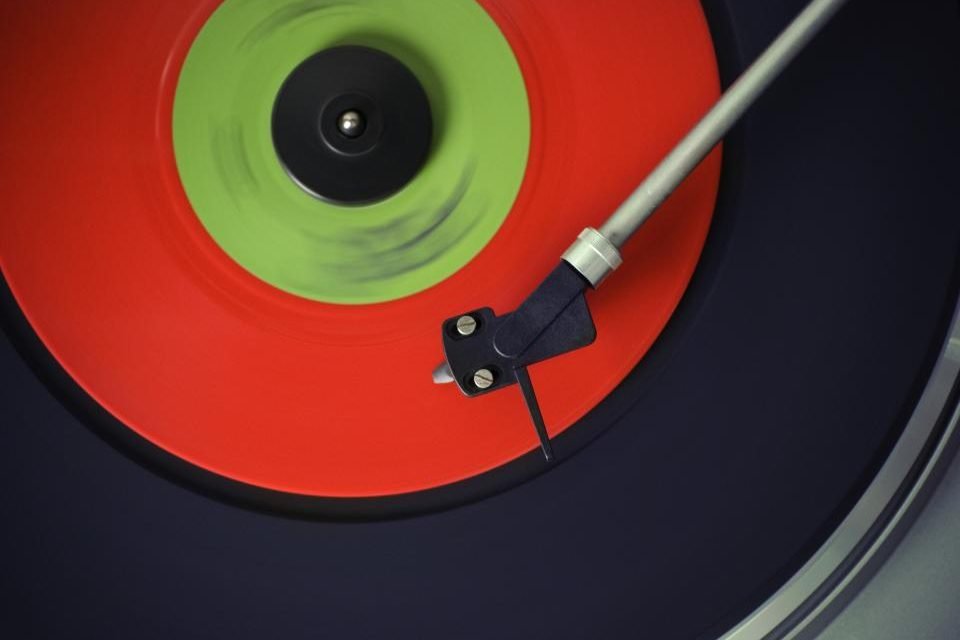
You need four things to play records: a turntable, a cartridge with a stylus (the needle), a phono preamp and speakers or headphones. A phono preamp boosts the very quiet signal from the turntable to a normal level. Many beginner turntables have one built in, and some stereo amplifiers have a phono input that does the same job, so check what you already own before buying a separate one.
When comparing turntables, a few features are worth looking for: an adjustable counterweight, which sets how heavily the stylus presses on the record, a replaceable stylus and a solid base that does not wobble. Many enthusiasts advise avoiding very cheap all-in-one players with heavy, non-adjustable tonearms, because they may wear records faster. A good used turntable from a reputable seller can be a sensible way to save, as long as you budget for a new stylus.
For sound, a pair of powered speakers is the simplest option, since the amplifier is built in. If you already have a stereo amplifier and speakers, you may only need the turntable. Place the turntable on a stable surface, away from the speakers if you can, so vibrations do not reach the stylus. Replace the stylus when it wears; manufacturers usually give an estimated lifespan in hours of play.
Care and storage that protect your records
Records last a long time if you treat them well. Hold them by the edges and the label, never the playing surface, and put each one back in its sleeve after playing. Inexpensive replacement inner sleeves are worth buying for used records, because old paper sleeves can be dusty and may scuff the surface.
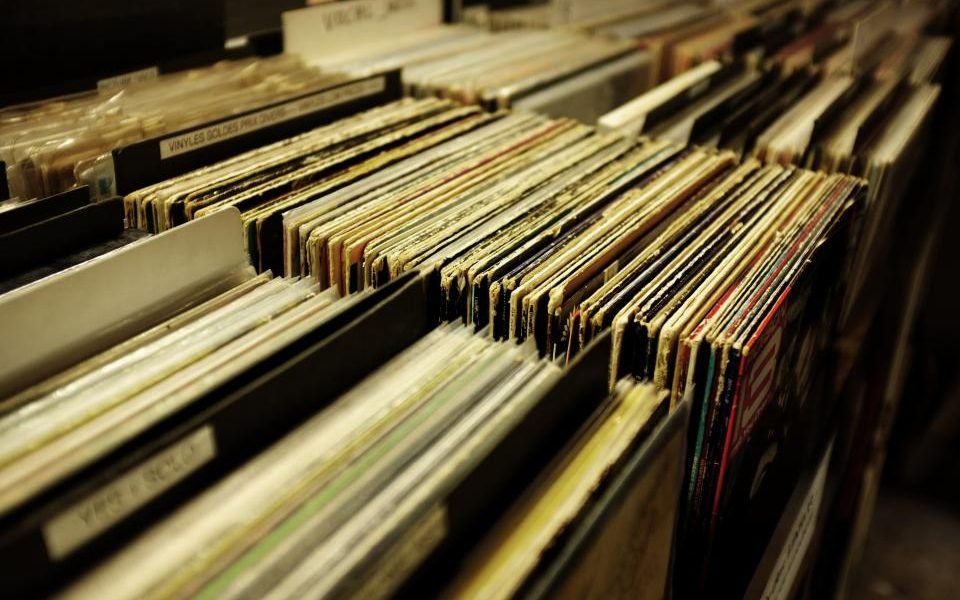
Store records upright, like books on a shelf, rather than stacked flat, because the weight of a stack can warp the ones at the bottom. Keep them away from heat, radiators and direct sunlight. A quick pass with a carbon fiber brush before each play removes surface dust, and a cleaning fluid made for records helps with dirty thrift finds. Records are heavy, so use sturdy shelving; if space is tight, our small-apartment storage ideas can help you find room.
The bottom line
A good vinyl collection grows slowly. Start with a few albums you love, buy used when the condition is right and save new pressings for records you know you will play again and again. Keep these points in mind as you go:
- Stream an album first and add only favorites to your wishlist.
- Set a budget for records and skip months when money is tight.
- Check used records under a light for scratches, warps and dirt.
- Choose a turntable with an adjustable counterweight and a replaceable stylus.
- Store records upright, in sleeves, away from heat and sunlight.
- Pass on limited editions unless you truly want them.
There is no deadline and no minimum, and a small collection you love is a complete one. If you also listen on your phone, our guide to getting better sound from your music streaming app covers the digital side, and you will find more ideas in our entertainment section.