A premium lipstick can cost several times as much as one from the drugstore, and it is not always obvious what the extra money buys. Sometimes it pays for a formula or shade range that genuinely works better for you. Other times it mostly pays for heavier packaging, advertising and a counter in a department store.
This guide helps you decide category by category. You will see what the price difference usually reflects, where drugstore formulas tend to hold up, where spending more can make sense, how to work out cost per use and how to test makeup before you commit. It compares formulas and ingredients rather than brands, because what works on one face may not work on another.
What the price difference usually pays for
Makeup prices reflect much more than what is in the tube: packaging, marketing, retail space, staff at a counter and, in some cases, more research into formulas and shade ranges. Some of those add real value, such as a wider shade range or a long-wearing formula. Others mostly add a heavier compact. Brand prestige matters to some people too, and that is a perfectly fair thing to enjoy as long as you know you are paying for it.
Formulas at different prices can be surprisingly similar, and the ingredient list is the most useful way to compare them. In the US and the EU, ingredients are generally listed in descending order of concentration, so the first few lines tell you what most of the product is. Two primers that both start with the same silicones, for example, may feel quite similar on your skin whatever their price.
Where drugstore formulas usually hold up
Some categories are relatively simple to make well, get used up quickly or need replacing often for hygiene, which makes them good places to save money without giving much up:
- Mascara. It is commonly recommended to replace mascara around every three months, so a lower price adds up to real savings over a year.
- Eyeliner and brow products. Pencils, gels and tinted brow gels are straightforward formulas with plenty of affordable options.
- Lip balm and tinted balms. These are simple formulas you reapply often and tend to lose.
- Setting powder. A loose or pressed powder mostly needs to be finely milled and not look chalky on your skin tone.
- Sponges and makeup removers. Sponges need regular replacing, and removers simply need to be gentle and do the job.
Product ranges at every price change over time, and favorites do get discontinued. When you find something that works, note its name, shade and first few ingredients on your phone. That makes it much easier to find a close match later, often at a lower price, instead of starting your search from scratch.
Where spending more can make sense
Spending more can be worth it when a product covers a large area of your face, when you wear it every day or when finding the right match is hard. Complexion products are the main example. Foundation and concealer have to match your skin tone and undertone, suit your skin type and wear well through the day, and shade ranges vary widely between product lines at every price point. If a premium line matches you and a cheaper one does not, the premium one is the better value.
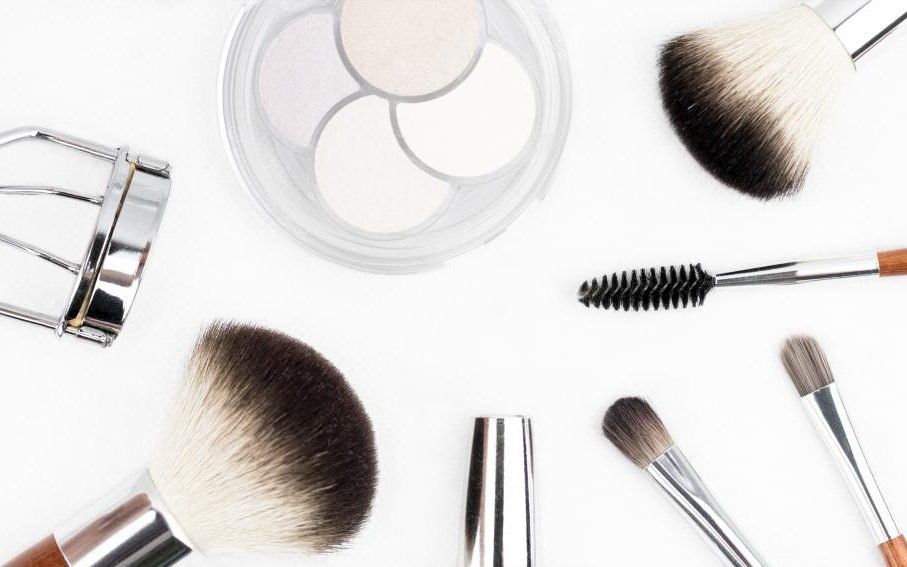
Tools are the other case. A good set of brushes can last for years with regular washing, so a higher upfront cost spreads thin over time. On the other hand, a pricey palette full of shades you never wear is poor value however good the formula is, so think about what you will actually use before you think about quality.
Do the cost-per-use math
Cost per use is the price of a product divided by the number of times you use it before it runs out or expires. Here is a worked example with assumed prices. A $40 foundation that lasts four months of daily use works out to roughly 33 cents per use. A $14 foundation with the same lifespan costs about 12 cents per use. Over a year, at three bottles each, that is $120 versus $42, a difference of $78.
Whether that $78 is worth it depends on the result. If the pricier foundation matches you, lasts all day and means you can skip concealer, it may earn its keep. If you cannot tell the difference in the mirror, it does not. Mascara works the other way around: because you replace it on a schedule regardless of how much is left, a $30 tube and a $10 tube replaced every three months cost $120 and $40 over a year. Size matters in the same way: a large palette or bottle is good value only if you can use it up before it expires, so smaller sizes are often the cheaper choice for products you wear only now and then.
How to test before you buy
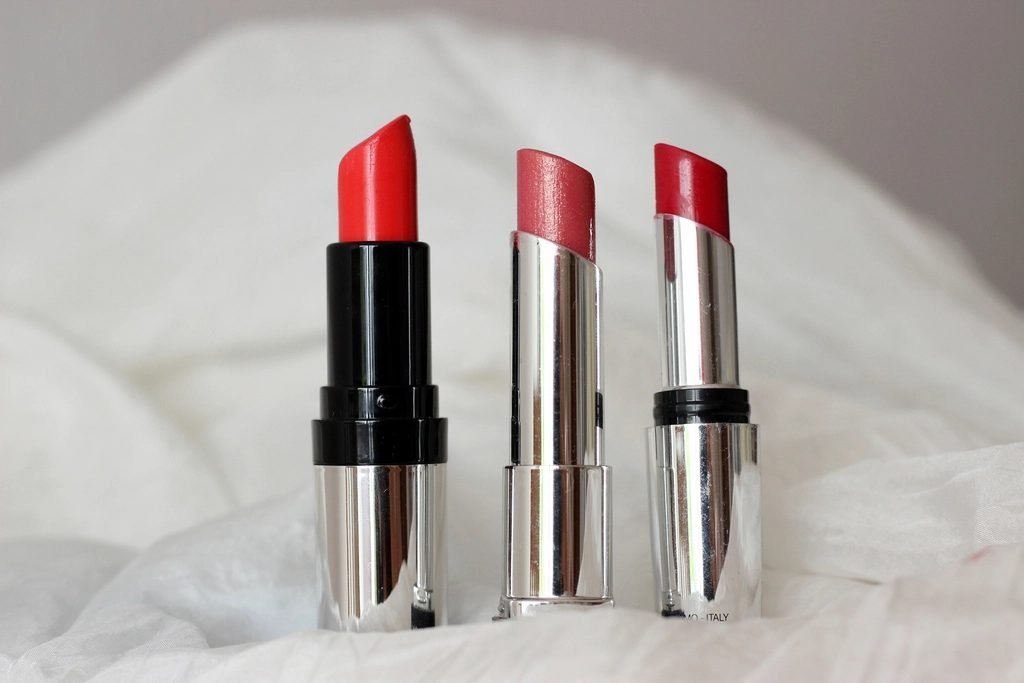
Testing saves more money than most discounts. At beauty counters and in some stores, testers and free samples let you wear a product for a while before buying. Swatch foundation along your jawline rather than on your hand, and check it in daylight once it has settled, since some formulas change color slightly as they dry.
- Use disposable applicators with shared testers, and never put a tester directly on your lips or eyes.
- Ask for a sample of complexion products so you can see how they wear over a full day.
- Check the return policy before buying, since some drugstores and beauty retailers accept opened makeup, but policies vary and change.
- Patch test new products on a small area for a few days if you have sensitive skin or react easily.
Labels such as “hypoallergenic” or “non-comedogenic” can be a starting point, but in the US these terms have no fixed federal definition, so they are not a guarantee. Likewise, SPF in foundation is a bonus rather than a replacement for sunscreen, because most people apply far less foundation than the amount used to test the SPF. If you have a reaction that does not settle, or a skin condition such as eczema or rosacea, talk to a dermatologist before trying more products.
Quick checklist
- Compare ingredient lists and formula types, not brand names.
- Save on mascara, liners, brow products, balms, powders and sponges.
- Consider spending more on complexion products if they match you better.
- Pay more for tools only if you will look after them for years.
- Work out cost per use over a year before paying for a premium label.
- Test, ask for samples and check return policies before you buy.
The bottom line: spend where the difference shows on your face and save where it does not. Good skin prep helps any makeup look better, so if you have not sorted that out yet, start with our simple skincare routine that does not cost a fortune. For more ways to trim beauty spending, see how to combine coupons, cashback and card rewards, and browse our fashion section for more ideas.