Eating out is one of the easiest places for a budget to leak. A quick dinner turns into appetizers, two rounds of drinks, a dessert nobody really wanted and a bill that is twice what you pictured. The usual advice, to simply eat out less, misses the point: for many people a meal out is a real pleasure, not a waste.
This guide is about keeping that pleasure while paying less for it. You will set a dining-out budget that fits your life, then use lunch menus, happy hours, shared plates, tap water and loyalty programs to stretch it. None of it involves ordering the cheapest thing on the menu and leaving hungry.
Set a dining-out budget you can enjoy
Start by finding out what you spend now. Scroll through the last two months of card and bank statements and add up restaurants, cafés, takeout and delivery. Many people are surprised by the total, and the cause is often a stream of small, unplanned meals rather than a few big nights out.
Then choose a monthly limit. Here is a worked example with assumed numbers. Say your statements show about $400 of restaurant spending last month, spread across eight meals out and a handful of delivery orders. If you set a new monthly limit of $250 and plan four or five meals out that you choose on purpose, each one can still be a proper meal, and you keep about $150 for something else.
Some people find it easier to budget by occasion instead: one sit-down meal a week, one coffee out on weekends and delivery only when someone is ill. Whatever rule you choose, write it down and check your spending once a week. Deciding in advance is what turns a meal out into a plan rather than a reaction to being tired and hungry.
Eat out at lunch, not dinner
Lunch is often the best-value way to try a restaurant you like. Many places run a lunch menu or a set lunch, sometimes called prix fixe (a fixed price for a set number of courses), with smaller portions and lower prices than the same kitchen charges at night. You still get the cooking, the atmosphere and a break from your own kitchen.
Lunch also tends to come with fewer temptations. People usually order fewer drinks in the middle of the day, skip dessert more often and are less likely to linger over a second bottle of wine. If a birthday or a catch-up can happen over a weekend lunch instead of a Saturday dinner, the bill is often noticeably smaller. Check menus online before you go, because lunch offers vary widely and some only run on weekdays.
Use happy hours without overdoing it
Happy hour is the period, usually late afternoon or early evening, when a restaurant or bar offers lower prices on some drinks and often on small plates. For a casual meal, a few discounted bar snacks can add up to a satisfying dinner for less than a full meal from the main menu.
The catch is that cheap items make it easy to order more than you need. Decide what you will have before you sit down, and treat the discount as a reason to spend less, not a reason to try everything. Happy hour rules differ from place to place, and some areas restrict drink discounts entirely, so look at each restaurant’s own listings rather than assuming. If you drink, plan how you are getting home before you order.
Order smarter, not smaller
The biggest savings usually come from how you order rather than where you go. Drinks, extra sides and desserts often carry some of the highest markups on a menu, meaning the gap between what an item costs the restaurant and what you pay. A few habits help:
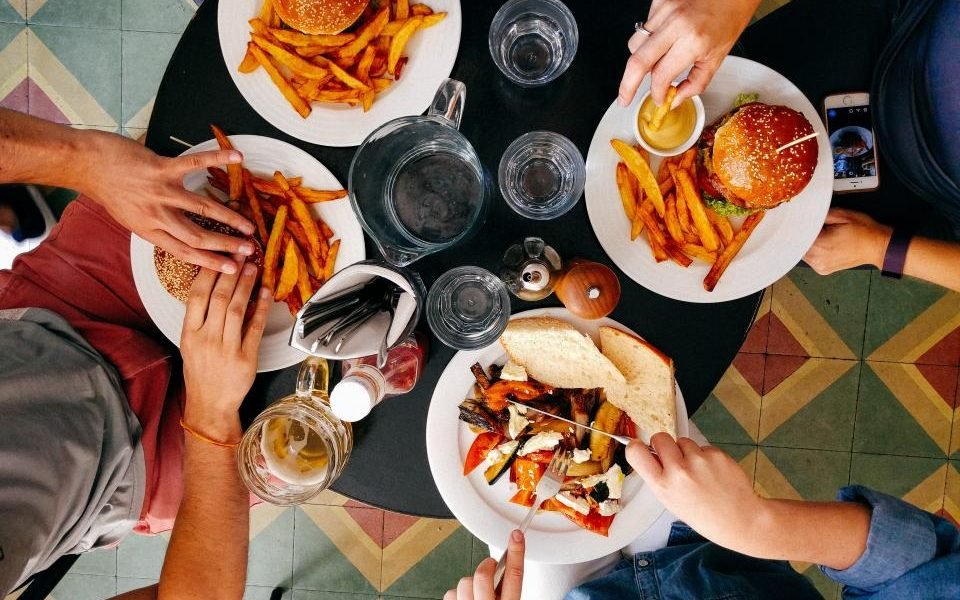
- Share plates. Two or three dishes split between two people often cost less than two full mains, and you get to taste more.
- Treat starters as mains. A generous appetizer plus a side can be plenty, especially at lunch.
- Ask for tap water. Bottled water and soft drinks add up quickly. In many places tap water is free on request, though customs vary by country.
- Pick one extra. Choose a drink, a starter or a dessert, not all three.
- Take leftovers home. A large portion can become tomorrow’s lunch, which lowers the real cost of the meal.
Here is how drinks alone can change a bill, using assumed prices. Two people each ordering two drinks at $9 adds $36 before tax and tip. Swapping one round for tap water saves $18, and because tips are usually a percentage of the bill, the saving grows slightly once you tip. Across four meals out, that is $72 or more without changing a single dish.
Read the bill for extras, too. Some restaurants add a service charge or an automatic gratuity, especially for larger groups, so check before you tip on top of it. If you are traveling, our guide to tipping around the world explains how these customs change from one country to the next.
Loyalty programs and apps worth keeping
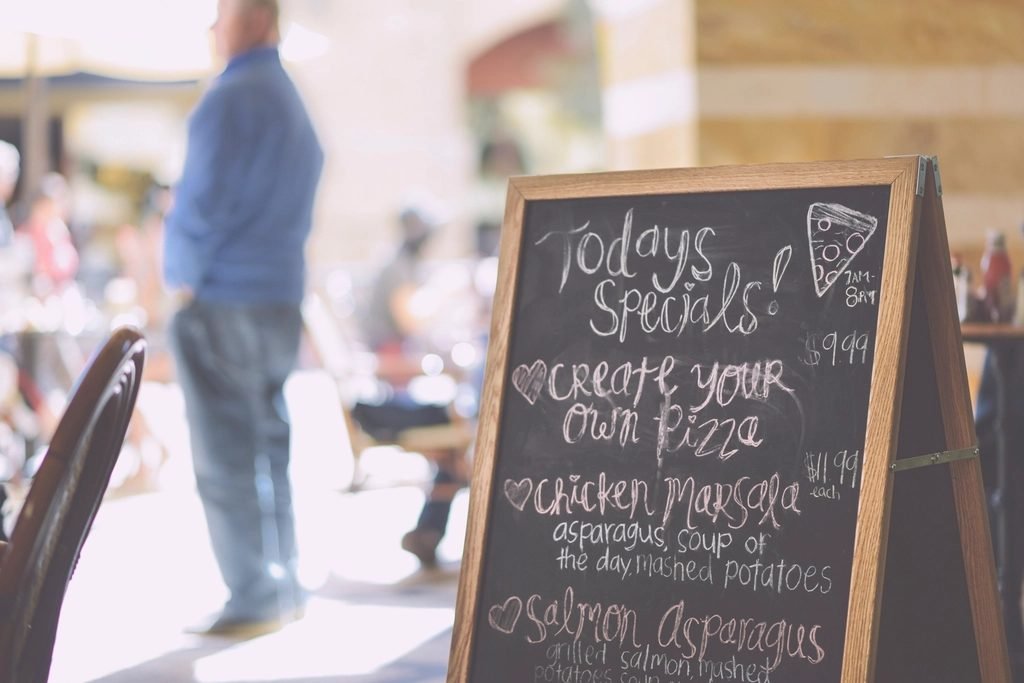
Restaurant loyalty programs can reward you for meals you would have bought anyway. Common perks include a small reward for signing up, a birthday treat or points that turn into a free item after a number of visits. The rule is simple: join programs only at places you already visit regularly, and ignore the rest.
Be realistic about the trade. Most programs ask for your email address or phone number and use your order history for marketing. Turn off push notifications you do not want, and never let a points balance talk you into an extra visit. A reward is only a saving if you were going anyway.
It also pays to compare how you order. Prices on food delivery apps can be higher than on the restaurant’s own menu, even before fees, so picking up the order yourself or ordering directly is often cheaper. If you pay with a rewards card or use a cashback app for dining, our guide to stacking coupons, cashback and card rewards explains how to combine them within each program’s rules.
Make cheaper meals feel special
Feeling short-changed usually has less to do with the price than with the experience. A busy counter-service spot with excellent food can be more satisfying than an expensive meal you did not enjoy. Some of the best-value meals come from places with short menus, family-run kitchens and cuisines built around rice, noodles, beans, flatbreads and dishes meant for sharing.
A few other ideas keep eating out enjoyable for less. Some restaurants let you bring your own wine for a corkage fee (a charge for opening and serving it), where local rules allow. And swapping one meal out for a good dinner at home, such as one of our five-ingredient weeknight dinners, frees up money for the meals out that matter most to you.
Quick checklist
- Add up last month’s spending on eating out and set a monthly limit.
- Plan meals out on purpose and check your total once a week.
- Choose lunch or an early table for restaurants you want to try.
- Decide what to order before you sit down at happy hour.
- Share plates, ask for tap water and pick one extra, not three.
- Read the bill for service charges before you tip.
- Join loyalty programs only where you already eat, and order directly when you can.
The bottom line: eating out on a budget is less about saying no and more about choosing well. Spend on the meals and the company you care about, trim the extras that add little, and a smaller restaurant budget can still feel generous. For more ideas on cooking, eating out and food trends, visit our food section.