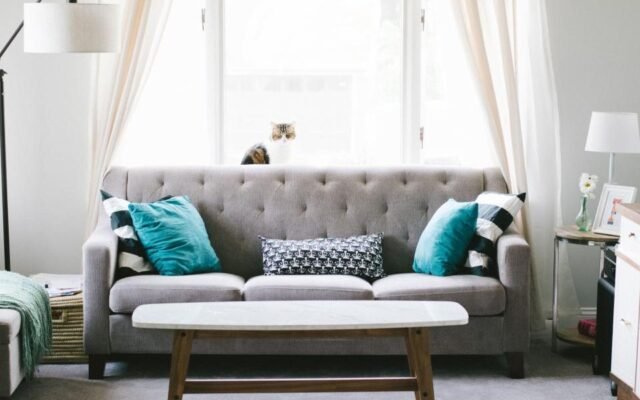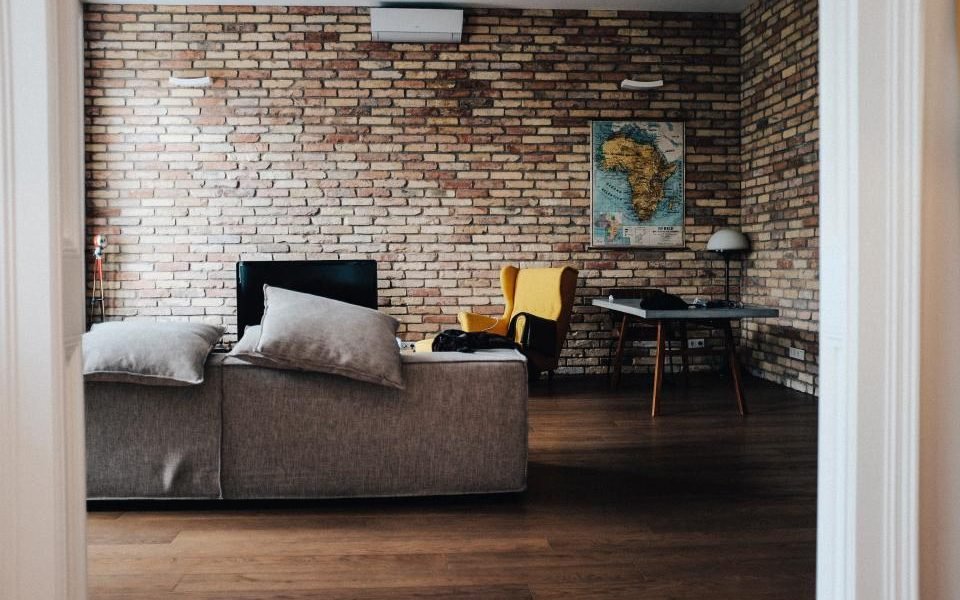
In a small apartment, storage tends to win the space and lose the look. Plastic bins under the bed, a wire rack in the corner, a tower of shoe boxes by the door: everything has a place, and the room still feels cluttered because the storage itself is on show.
The fix is storage that does two jobs, or that hides in plain sight. Below you will find ideas for furniture, walls, doors and the awkward corners of each room, plus a few rules that keep it all looking calm. Most are renter-friendly, and none require a renovation.
Edit first, then measure
Every storage idea works better with less to store. Before you buy anything, spend an afternoon sorting one category at a time, such as kitchen gadgets, cables or towels, and let go of duplicates and things you have not used in a year. It costs nothing, and it shows you how much you actually need to hide.
Then measure. Note the height under your bed, the depth of your closet shelves, the gap beside the fridge and the space above your doors. Small apartments are full of odd dimensions, and a common storage mistake is buying a piece that is a couple of inches too deep or too tall. Keep the measurements in your phone so you have them when a sale comes along, and use our guide to spotting real deals during big sale events to tell a genuine discount from an inflated one.
Furniture that stores without announcing it
The best hidden storage looks like ordinary furniture. When you replace a piece, choose one that holds something as well as doing its main job:
- Storage ottoman or lift-top bench: extra seating that hides throws, games or shoes. Put one at the end of the bed or by the entry.
- Bed with drawers, or a bed on risers: the space underneath can hold out-of-season clothes and spare bedding, and a fitted bed skirt hides the containers.
- Trunk or chest as a coffee table: it gives you a surface on top and a large closed compartment inside.
- Closed nightstands and sideboards: doors and drawers hide what open shelves put on display.
- Narrow console behind the sofa: a slim table can take baskets underneath and a lamp on top, using space that is otherwise wasted.
Look at what you already own before buying new. A sturdy old dresser can work as a TV stand or a kitchen sideboard, and a couple of vintage suitcases stacked on a shelf can hide papers and chargers while reading as decor.
Walls and doors: go up, but keep it quiet
Vertical space is the main resource in a small apartment, but a wall covered in open shelves can feel busy. The trick is to keep high storage closed or uniform. Cabinets or shelves mounted above eye level and filled with matching boxes read as part of the wall. A single shelf running above the door frames can hold books or baskets without using any floor space.
Doors are free storage. Over-the-door racks inside a closet or pantry can hold shoes, cleaning supplies or pantry overflow, and when the door is closed, nobody sees them. Inside kitchen and bathroom cabinet doors, small racks or hooks can hold lids, cutting boards or hair tools. Check that the door still closes fully, and check the weight rating on anything that sticks on.
If you cannot avoid open shelving, such as a bookcase in the living room, hang a curtain or fabric panel on a tension rod in front of the lower shelves. It turns visible clutter into a soft panel of fabric, and choosing a color close to your walls helps it fade into the background.
Hidden pockets in every room
Most rooms have a few spots that go unused because they are awkward to reach or oddly shaped. With the right piece, each one can quietly take a category of clutter off your counters and floors.
Kitchen
Use shelf risers inside cabinets to make use of the empty height above stacked plates, and slide a slim rolling cart into the gap beside the fridge for oils and spices. A rail with hooks under the upper cabinets can hold mugs or utensils without taking counter space.
Bathroom
A mirrored medicine cabinet swaps a plain mirror for hidden storage. Above the toilet, a closed cabinet looks tidier than open shelves. Under the sink, a two-tier sliding organizer makes the awkward space around the pipes usable.
Entry and bedroom
A slim shoe cabinet with tip-out drawers takes far less depth than an open rack and hides the pile. In the bedroom, closet organizers such as a second hanging rod for shirts or shelf dividers can make room without adding furniture. Paring back to a capsule wardrobe frees even more closet space.
Make storage blend in
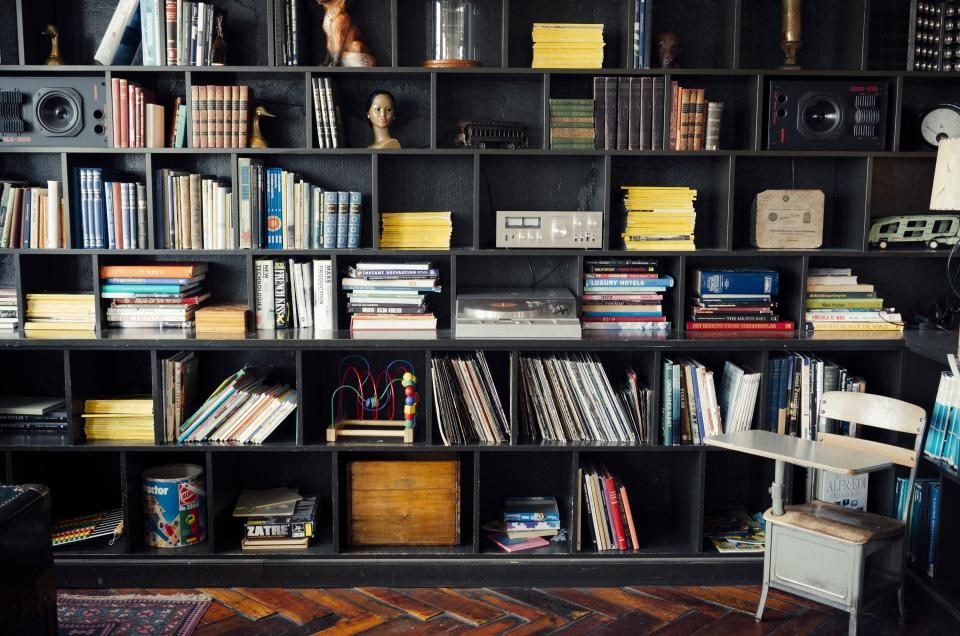
How storage looks matters as much as where it goes. A few simple rules keep a small room feeling calm rather than crowded:
- Match containers. A row of identical baskets looks intentional; a mix of bins and bags looks like clutter.
- Stick to two or three materials. For example, woven baskets, white boxes and wood. Fewer textures make a room feel calmer.
- Match the wall. Shelves, pegboards and cabinets in the same color as the wall almost disappear.
- Label on the inside or the back. You still know what is in each box without a row of labels facing the room.
- Leave some space empty. A shelf with a few gaps looks deliberate; one packed to the edges looks like a storage unit.
Renter-friendly rules
If you rent, check your lease before you drill, paint or mount anything. Many of the ideas above work without holes: freestanding furniture, tension rods, over-the-door hooks and adhesive products designed to come off cleanly when used as directed. Test any adhesive on a hidden spot first, since paint and wall surfaces vary.
Safety comes before looks with tall furniture. Bookcases, dressers and wardrobes can tip over, especially in homes with young children, so anchor them to the wall with an anti-tip kit. If you rent, ask your landlord about anchors rather than skipping them; a few small holes are usually easy to fill when you move out.
Quick checklist
- Sort one category at a time and let go of what you do not use.
- Measure under the bed, closet depth, door heights and awkward gaps.
- Choose furniture that stores: ottomans, benches, trunks and closed nightstands.
- Use the space above eye level with closed or uniform storage.
- Put the backs of doors to work.
- Match containers and limit materials so storage blends in.
- Anchor tall furniture and check your lease before drilling.
Start with the spot that bothers you most, usually the entry or the bedside, and fix that first. One calm corner makes the next one easier, and a weekly Sunday reset helps keep it that way.