The expensive part of cooking at home is often not the groceries. It is the evening you open the fridge, see nothing that adds up to a meal, and order takeout instead. A small, well-chosen pantry fixes that, because it turns one or two fresh ingredients into dinner.
Here you will find a staples list grouped by what each item does, a four-week plan to build it without one big shopping bill, a worked example of where the savings come from, how to store everything so it does not go to waste, and five meals you can make from what is on the shelf.
Where the savings actually come from
A pantry saves money in three ways. First, it cuts the “nothing to eat” nights that end in delivery fees. Second, shelf-stable food can be bought on sale and stored until you need it. Third, a pantry of flexible basics means each new recipe needs only a couple of fresh items, so you buy fewer one-off ingredients that end up wilting in the fridge.
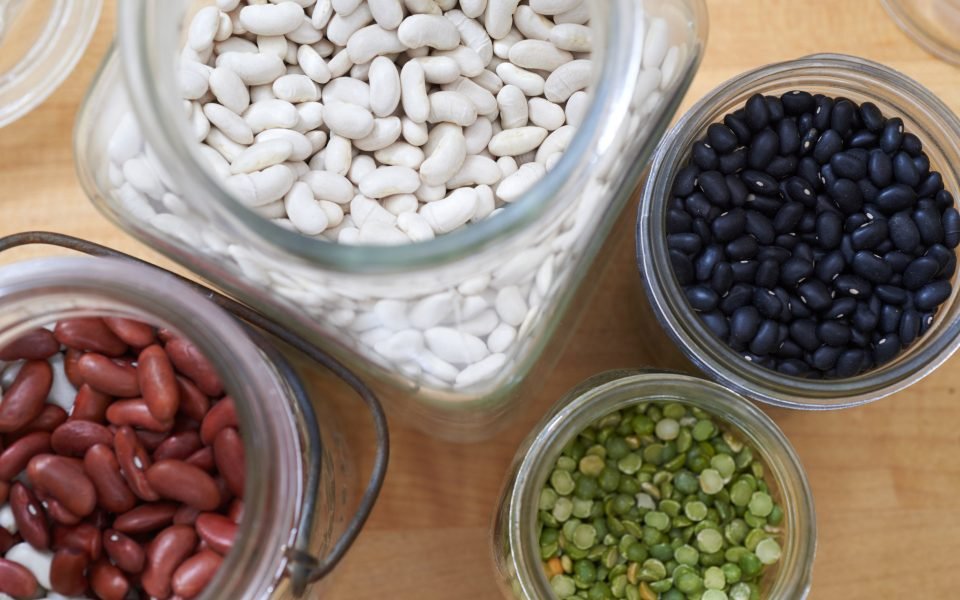
Here is a worked example with round numbers chosen for illustration, since prices vary a lot by store and country. Say a 1-pound bag of dried beans costs about $2 and a 15-ounce can costs about $1.20. A pound of dried beans cooks up to roughly what you would get from four cans, so the same amount of beans costs about $2 instead of about $4.80.
That does not make canned beans a mistake. They are worth keeping for nights when you have no time to soak and simmer. The point is to know what convenience costs you, so you choose it on purpose rather than by default.
The core list, grouped by job
You do not need everything at once, and you do not need anything fancy. Store brands are usually fine for basics like rice, flour, canned tomatoes and beans. Adjust the list to food you actually like to eat, because a staple you never use is just clutter.
Grains and starches
- Rice (white keeps longest; brown has more fiber but a shorter shelf life)
- Dried pasta in one long and one short shape
- Rolled oats, for breakfast and baking
- All-purpose flour
- Tortillas or a loaf of bread kept in the freezer
Proteins that keep
- Canned beans and chickpeas, plus dried lentils, which cook in about 20 to 30 minutes without soaking
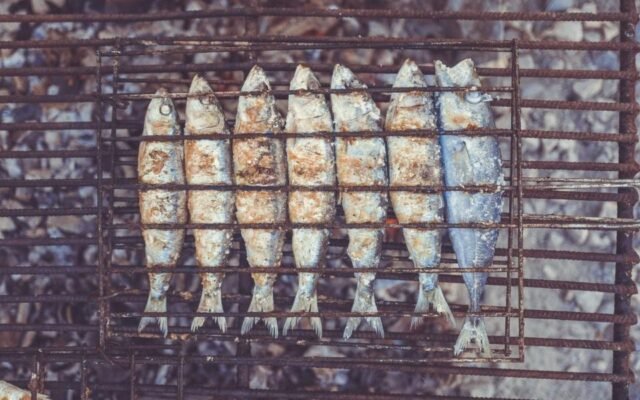
- Canned tuna, salmon or sardines
- Peanut butter or another nut or seed butter
- Eggs, which keep for weeks in the fridge
Flavor builders
- Onions and garlic, stored somewhere cool, dark and dry
- Canned tomatoes and tomato paste
- Stock cubes or bouillon powder
- Soy sauce, a vinegar, and hot sauce or chili flakes
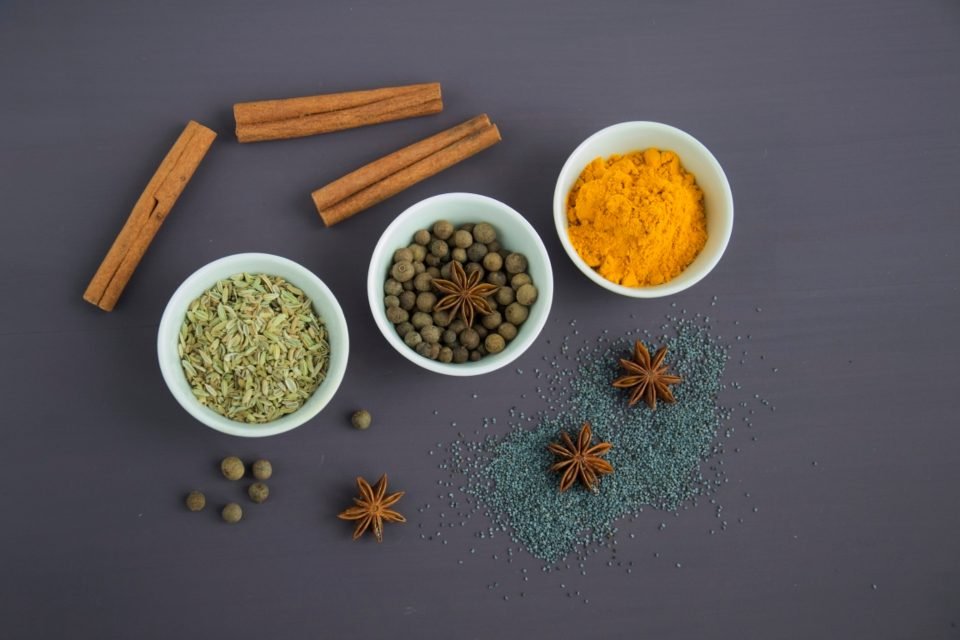
- A few spices you will actually use, such as cumin, paprika, dried oregano and curry powder
Freezer staples
- Frozen vegetables such as peas, spinach, broccoli or a mixed bag
- Frozen fruit for oats, yogurt or smoothies
- Bread, tortillas and any cooked rice or sauce you portion up
Frozen vegetables deserve a special mention. They are typically frozen soon after harvest, they do not wilt in the crisper drawer, and you can use a handful at a time. That makes them one of the easiest ways to eat more vegetables while throwing less food away.
A four-week plan to stock up without a big bill
Buying the whole list in one trip could cost more than a normal week of groceries, which defeats the point. Instead, add a few items to your regular shop each week, starting with the ones you will use first.
- Week 1: rice, pasta, canned tomatoes, onions, garlic and a cooking oil.
- Week 2: canned beans, dried lentils, stock cubes and soy sauce.
- Week 3: two or three spices, a vinegar, peanut butter and oats.
- Week 4: frozen vegetables, frozen fruit, flour and canned fish.
As you shop, check the unit price, which is the price per ounce, pound, kilogram or item, often printed in small type on the shelf label. It is the fairest way to compare a big bag with a small one, because the bigger pack is not always cheaper per unit. Buy in bulk only what you use quickly, and pick up extras of your most-used staples when they go on sale.
If you want to squeeze a bit more out of each shop, our guide to stacking coupons, cashback and card rewards explains how those savings can combine on a single purchase. Pantry staples are a good place to use them, because you can wait for a deal instead of buying under pressure.
Keeping it fresh and actually using it
Follow the “first in, first out” rule: when you unpack groceries, move older items to the front and put new ones at the back. Once opened, store flour, rice, oats and pasta in airtight containers to keep out moisture and pantry pests. Whole-grain flour, brown rice and nuts contain more natural oils and can go rancid faster, so keep them somewhere cool, or in the fridge or freezer if you use them slowly.
For most shelf-stable foods in the US, a “best by” date is about quality rather than safety, so an unopened can a little past its date is usually still fine. Cans that are bulging, leaking, rusted or deeply dented are a different story; throw those away. Spices do not spoil in the usual sense, but they lose flavor over time, so buy small jars of the ones you use least.
Once a month, take five minutes to look at what you have and plan one or two meals around whatever has been sitting longest. That habit is what makes a pantry pay off, and it pairs naturally with a no-spend month, when the pantry becomes your main grocery store.
Five meals from the shelf plus one fresh thing
- Tomato chili pasta: pasta, canned tomatoes, garlic and chili flakes, with a bag of fresh spinach stirred in at the end.
- Lentil soup: lentils, onion, canned tomatoes, stock and cumin, plus a couple of chopped fresh carrots.
- Fried rice: leftover cold rice, frozen peas, eggs and soy sauce, topped with sliced green onions.
- Bean tacos: canned beans warmed with cumin and paprika, in tortillas with shredded cabbage or sliced avocado.
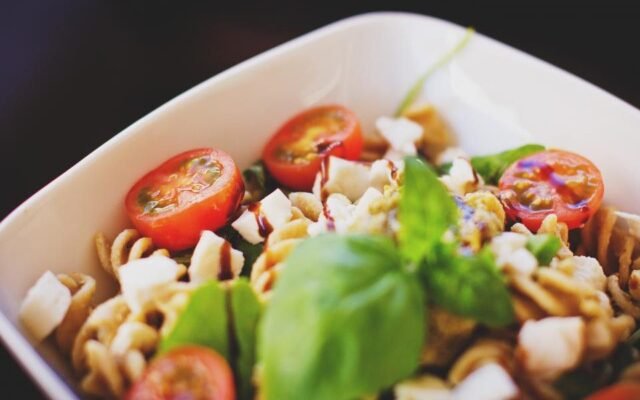
- Peanut noodles: pasta tossed with peanut butter, soy sauce, vinegar and a splash of hot water, with sliced cucumber on top.
For full recipes with quantities and steps, see our five-ingredient dinners for busy weeknights. Most of them lean on the same staples, so once your shelves are stocked, a week of those dinners needs only a short fresh shopping list.
Quick checklist
- Start with the staples for meals you already cook.
- Add a few items each week instead of doing one big shop.
- Compare unit prices, and stock up on sale only on things you use.
- Store opened dry goods in airtight containers; keep oily grains and nuts cool.
- Rotate first in, first out, and plan a pantry meal once a month.
A pantry is not about owning more food. It is about always having the makings of a cheap dinner, so takeout becomes a choice rather than a default. Build it slowly, cook from it often, and you should start to see the difference in fewer delivery orders.