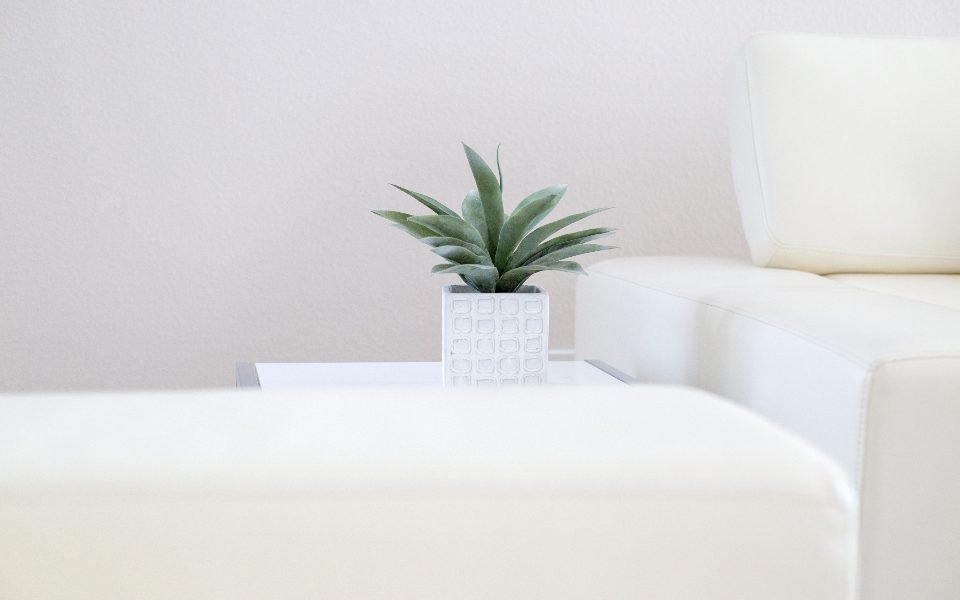
If your houseplants keep dying, the problem is usually not that you are bad with plants. It is a mismatch: a thirsty plant in a home where watering happens whenever you remember, or a sun lover parked in a dim corner. Choose plants built for irregular care and most of the work disappears.
This guide covers seven forgiving plants, how to read your light without gadgets, a watering routine for forgetful people, what to know about pets and small children, and the warning signs that something needs to change.
Why some plants shrug off neglect
Plants that cope with missed waterings usually store water somewhere: thick, waxy leaves, a swollen stem, or fleshy roots and underground rhizomes. That reserve lets them ride out a dry spell that would flatten a fern. The trade-off is that the same plants hate sitting in wet soil, so too much attention can do more harm than too little.
Light is the other half of the story. When a label says a plant “tolerates low light,” it means the plant survives there, not that it thrives. Growth slows, and a slow-growing plant uses less water, which works in your favor if you forget.
Seven plants that forgive a missed watering
Snake plant
The snake plant (Dracaena trifasciata, still often sold as Sansevieria) has stiff, upright leaves and a reputation for surviving almost anything. It handles low to bright indirect light and wants its soil to dry out completely between drinks, which often means watering every few weeks and less in winter. The fastest way to kill one is to let its pot sit in water.
ZZ plant
The ZZ plant (Zamioculcas zamiifolia) has glossy, dark leaves and stores water in thick rhizomes below the soil. It copes with dim rooms and offices lit mostly by overhead lights, though it grows faster with more light. Water it when the soil is dry all the way down.
Pothos
Pothos (Epipremnum aureum) is a trailing vine for a shelf or a hanging pot. It is helpful for beginners because it shows thirst clearly: the leaves droop, then usually perk up within a day of watering. Variegated types may lose some of their pattern in low light.
Cast iron plant
The cast iron plant (Aspidistra elatior) earns its name. This slow grower with broad, dark leaves tolerates shade, cool rooms and irregular watering better than most, and it is one of the few plants that can live happily some distance from a window.
Ponytail palm
Despite the name, the ponytail palm (Beaucarnea recurvata) is not a true palm. Its swollen trunk base stores water, and a fountain of thin leaves sprouts from the top. It wants bright light and some direct sun, so it suits a sunny window in a home where watering is an afterthought.
Jade plant
The jade plant (Crassula ovata) is a classic succulent with thick, rounded leaves on woody stems. It likes bright light, including a few hours of direct sun, and deep but infrequent watering. Wrinkled or thin leaves are its way of asking for a drink.
Spider plant
The spider plant (Chlorophytum comosum) has arching striped leaves and small plantlets that dangle on long stems. It prefers bright indirect light and forgives uneven watering. Brown leaf tips are common and mostly cosmetic; trim them with clean scissors if they bother you.
Match the plant to your light first
You do not need a light meter. Try the shadow test around midday: hold your hand about a foot above the spot where the plant would sit. A crisp shadow means bright light, a soft, fuzzy shadow means medium light, and a faint shadow or none at all means low light.
| Your spot | Light level | Good matches |
|---|---|---|
| Near a window that gets several hours of sun | Bright, some direct sun | Jade plant, ponytail palm, snake plant |
| A few feet back from a bright window | Bright indirect | Pothos, spider plant, snake plant |
| Near a window that never gets direct sun | Medium | ZZ plant, pothos, cast iron plant |
| Hallway or office with mostly overhead lights | Low | ZZ plant, cast iron plant (expect slow growth) |
In the Northern Hemisphere, south- and west-facing windows tend to be brightest; in the Southern Hemisphere, north- and west-facing ones are. A room with no window at all will need a small grow light for any of these plants to stay healthy long-term.
A watering routine for people who forget
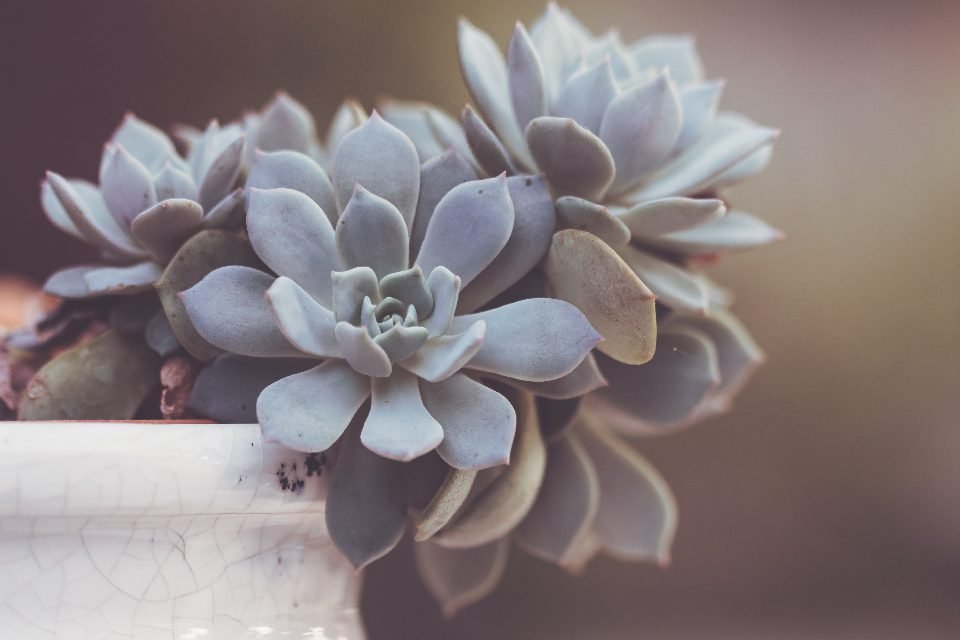
Fixed schedules such as “water every Saturday” drown many easy plants, because a plant’s needs change with the season, the pot and the room. What you need is a regular moment to check, not to water. Tie it to something you already do, such as a weekly Sunday reset or the first weekend of the month.
- Check the soil. Push a finger about two knuckles deep, or slide in a wooden chopstick. If it comes out dry and clean, water. For succulents such as jade and ponytail palm, wait until the soil is dry all the way through.
- Water thoroughly. Pour slowly until water runs out of the drainage holes, so the whole root ball gets wet.
- Empty the saucer. After 15 to 30 minutes, tip out any water that has collected underneath. Standing water rots roots.
- Skip if still damp. If the soil is moist, do nothing and check again next time.
- Stretch it in winter. Shorter days slow growth, so most of these plants need water less often in the colder months.
The pot matters as much as the routine, and a drainage hole is non-negotiable. Unglazed terracotta dries out faster, which suits people who overwater, while plastic holds moisture longer, which suits people who forget for weeks. For a decorative pot without a hole, keep the plant in its plastic nursery pot inside it, so you can lift it out to drain.
Match the plant to your habits, too. If you forget for a month at a time, lean toward the ZZ plant, snake plant and jade plant. If you forget for a week, pothos and spider plant show thirst clearly and bounce back.
Pets, kids and plant safety
Several popular low-maintenance plants can irritate the mouth or upset the stomach of cats, dogs or curious toddlers if the leaves are chewed, while others are generally listed as non-toxic. Sources can differ and common names get mixed up, so check the botanical name on the nursery tag against an animal poison resource, such as the ASPCA’s list of toxic and non-toxic plants, before you buy.
Placement helps too. Hanging planters and high shelves keep leaves away from pets that like to chew, and floor-level spots are best kept for plants you have confirmed are low-risk. If you think a pet or child has eaten part of a plant, call your vet, a pet poison helpline or your local poison control service rather than waiting for symptoms.
Warning signs and quick fixes
- Yellow, soft or mushy leaves near the base: usually too much water. Stop watering, let the soil dry and check the roots; trim any that are brown, mushy or smelly and repot in fresh, dry mix.
- Wrinkled or drooping leaves with dry soil: thirst. Water deeply; most plants recover within a few days.
- Long, stretched stems leaning toward the window: not enough light. Move the plant closer or turn it every few weeks.
- Pale, bleached or crispy patches: too much direct sun. Move it back from the glass.
- Tiny flies hovering over the soil: often fungus gnats, which like soil that stays wet. Let the top layer dry out between waterings.
If you want more plants without spending more, propagation is free. Pothos cuttings root easily in a glass of water and spider plant plantlets can be potted up on their own, which makes both a nice project during a no-spend month and a cheap, thoughtful gift for friends.
Quick checklist
- Do the shadow test and choose a plant that matches the spot.
- Look up the botanical name if you have pets or small children.
- Use a pot with a drainage hole.
- Set a regular check-in moment and put it in your calendar.
- Water only when the soil is dry to the depth of a finger, or fully dry for succulents, then empty the saucer.
Start with one or two plants rather than a shelf full. After a full season you will know your light and your habits, and adding more becomes easy. For more ideas on making home life simpler, browse our lifestyle section.