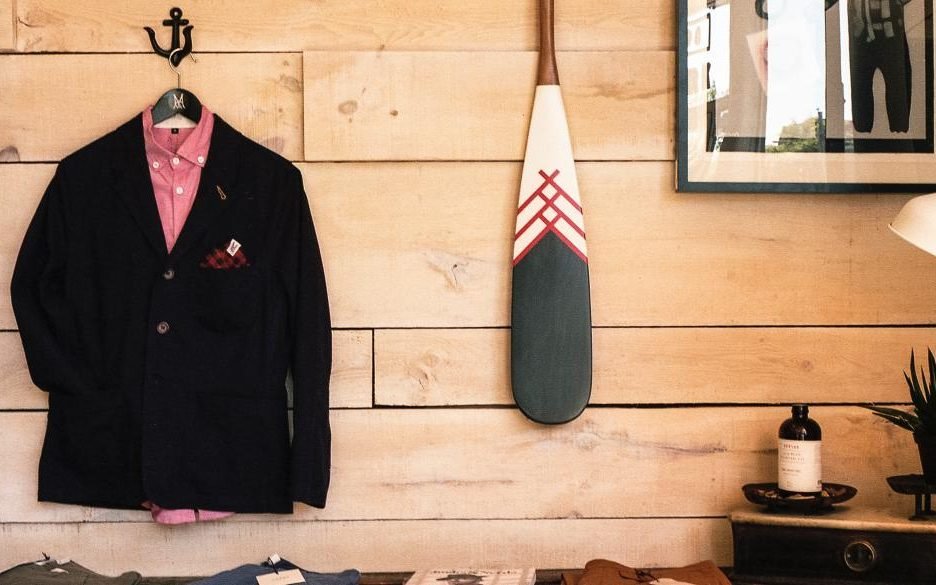
Quiet luxury is the look of clothes that seem expensive without announcing it: no big logos, soft neutral colors, good fabrics and a fit that looks made for you. The catch is that the labels most associated with the style charge very high prices for exactly that restraint.
Fortunately, the look depends far more on choices than on price tags. This guide breaks quiet luxury into the parts that actually create the effect, then shows you how to get each one on a budget, whatever your body shape, climate or personal style.
What quiet luxury actually is
The term became popular a few years ago to describe an understated, old-money way of dressing: simple shapes, muted colors and visible quality instead of visible branding. Trends come and go, but this one overlaps heavily with classic dressing, so the pieces you buy for it tend to stay useful long after the name fades.
It helps to separate what people notice from the label inside. Nobody can see that a sweater cost a lot. What they can see is whether it fits, whether the fabric looks rich or tired, whether the colors work together and whether everything looks cared for. Those four things are where your money and effort should go.
Fit is the first signal
Clothes that fit well look more expensive than costly clothes that fit badly. That is good news for a budget, because fit is mostly about choosing the right size and making small adjustments. Look for shoulder seams that sit at the edge of your shoulders, sleeves that end around the wrist bone, trousers that fall cleanly without pooling at the ankle and buttons that close without pulling.
Tailoring is the budget shortcut. A basic hem, shortened sleeves or a taken-in waist can make an inexpensive or secondhand piece look made for you. Here is a worked example with assumed prices: a secondhand wool coat at $45 plus $25 to shorten the sleeves comes to $70 for a coat that fits properly, which is often less than a new coat in a similar fabric. Alteration prices vary a lot by location, so ask for a quote before you commit.
This works for every body type. Quiet luxury is not one silhouette, and no particular shape is required. If straight-leg trousers suit you better than wide-leg ones, or a wrap dress works better on you than a shift, choose that. The polished effect comes from clothes that sit right on your body as it is today, not from any one cut.
Fabric does the quiet talking
Fabric is what makes simple clothes look rich. Natural fibers such as wool, cotton, linen and silk, along with well-made blends, tend to drape, breathe and age in a way many people find appealing. Check the fiber label, then feel the fabric: it should have some weight and body, and knitwear should spring back when you stretch it gently.
Your climate decides which fabrics make sense. In hot or humid weather, linen, crisp cotton shirting and lightweight cotton knits keep the look cool and fresh. In cold places, wool trousers, a dense knit and a structured coat do the work. Synthetics are not automatically a problem either, since a sturdy blend can resist wrinkles and wear, which matters if you commute, travel or simply hate ironing.
Keep the palette simple
Quiet luxury leans on muted colors such as cream, camel, gray, navy, chocolate brown, olive and black, because they mix easily and look calm together. You do not have to wear beige if it washes you out. Pick the neutrals that suit your skin tone and hair, and keep one or two deeper or brighter shades in the mix if you enjoy color.
Tonal outfits, where you wear several shades of one color, are an easy way to look put together. A cream knit with oatmeal trousers, or a navy sweater with charcoal trousers, reads as deliberate without looking like you tried hard. If you already have a capsule wardrobe, your base colors probably work here; our guide to building a capsule wardrobe on a budget explains how to choose them.
Where to find the pieces for less

Secondhand shopping is the obvious route, because the style is built on classic pieces that turn up all the time at thrift stores, consignment shops and online resale marketplaces. Wool coats, blazers, knitwear, leather belts and plain leather bags are especially worth hunting for. Our guide to shopping trends at thrift and resale stores covers how to check fabric, fit and condition before you pay.
If you buy new, buy fewer pieces and choose them carefully. A higher price is no guarantee of quality, so judge each piece on how it is made rather than on its label. Run through this short checklist before paying:
- No visible logos. Plain pieces look more expensive and stay in style longer.
- Clean finishing. Seams lie flat, stripes and checks line up at the seams and buttons are sewn on firmly.
- Simple hardware. Small, plain buttons and zippers look better than shiny, oversized ones.
- The three-outfit rule. If you cannot name three outfits it would go with, leave it on the rack.
- Care you will actually do. Skip dry-clean-only pieces if you know you will never take them in.
Accessories and shoes finish the look, and they are where restraint saves the most. A plain leather or fabric belt, small and simple jewelry, a watch without a large logo and clean shoes in a neutral color go with almost everything you own. They are also worth checking for on every secondhand trip, since belts, bags and scarves often turn up in good condition for very little money.
Care makes affordable clothes look expensive
The most underrated part of the look costs very little. Steaming or ironing removes the creases that make anything look tired, and a fabric shaver clears pilling from knits in a few minutes. Polished shoes, clean soles and neat laces make a plain outfit look intentional, and sturdy hangers help jackets and coats keep their shape between wears.
Store knits folded rather than hung so they do not stretch, wash in cold water when the label allows and air-dry where you can, since heat and friction are hard on fabric. These habits help a modestly priced sweater look good for much longer, which is the real secret of looking expensive on a budget: clothes that look cared for read as quality.
The bottom line
Quiet luxury is less a shopping list than a set of habits: buy for fit, choose fabrics that suit your climate, keep colors simple, skip the logos and look after what you own. Start by pulling the plain, well-fitting pieces you already have to the front of your closet, then fill one gap at a time, ideally secondhand. For more ideas on budget-friendly style, visit our fashion section.