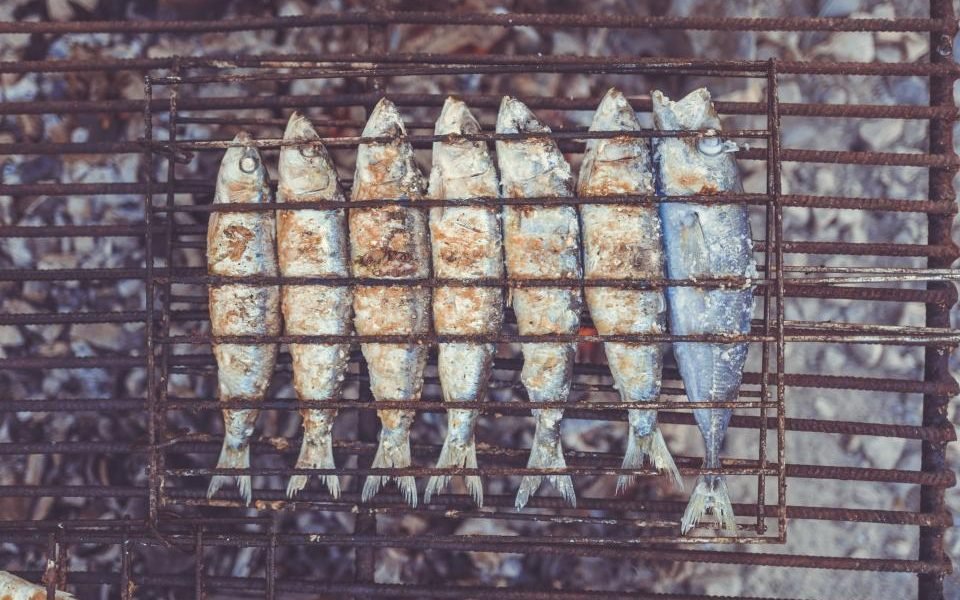
Tinned fish used to be the thing at the back of the cupboard, saved for a desperate lunch. Now sardines, mackerel and anchovies in colorful packaging turn up on restaurant menus, snack boards and social media feeds, and some shops give them a whole shelf. The good news is that this is one food trend you can join with very little money and no cooking skill.
Below you will find why canned seafood has become fashionable, how to choose a tin, five simple ways to serve it at home and the safety basics for buying and storing cans. We use “tinned” and “canned” to mean the same thing throughout.
Why tinned fish is having a moment
Part of the appeal comes from Portugal and Spain, where good-quality preserved seafood, often called conservas, has long been eaten as a snack or small plate with bread and a drink. Bars and shops built around that tradition have inspired cooks elsewhere, and the bright, design-led tins look good on a table, which has helped the trend spread online.
The practical reasons matter just as much. A tin needs no cooking, keeps for a long time in the cupboard and is often cheaper than the same amount of fresh fish. Oily fish such as sardines, mackerel and salmon are also a source of protein and omega-3 fats, so a tin is a convenient way to eat more fish. And opening a few tins with good bread feels like an occasion without the price of a night out.
How to choose a tin
You do not need expensive imports to start. Supermarket tins are a sensible first step, and you can trade up once you know what you like. These are the main choices you will see on the label.
- The fish. Sardines and mackerel are rich and savory, tuna is milder, anchovies are intensely salty and work best as a seasoning, and salmon, mussels and clams each bring their own texture.
- The packing liquid. Olive oil gives the richest flavor, and the oil itself is useful for cooking. Water or brine is lighter, while tomato, lemon or chili versions are ready to eat as they are.
- Smoked or plain. Smoked fish, such as smoked mackerel or kippers, adds depth to rice, eggs and potatoes.
- Bones and skin. Canned sardines and salmon often include soft bones that are edible and mash in easily. Boneless and skinless versions exist if you prefer them.
Larger predatory fish, such as some types of tuna, tend to contain more mercury than small fish like sardines and anchovies. If you are pregnant, planning a pregnancy or feeding young children, follow your national food-safety advice on which fish to choose and how often, and ask a doctor if you are unsure.
Five easy ways to serve it at home
Each idea serves about two people as a light meal and uses one or two standard tins, which usually hold around 4 oz (about 120 g) each. Adjust the quantities to suit your appetite and what you have in the kitchen.
1. A tinned fish snack board
Open two or three different tins and set them out with crusty bread or crackers, butter, lemon wedges, pickles or olives, and a handful of potato chips. Add chopped parsley and chili flakes if you have them. This is the restaurant-style version of the trend, and it takes about five minutes to put together.
2. Sardines on toast
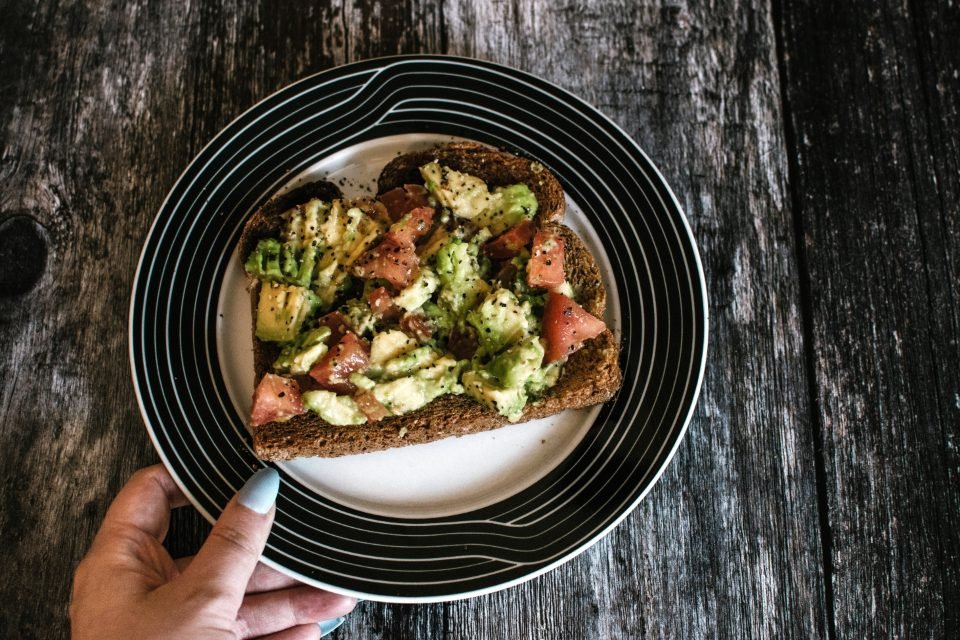
Toast two thick slices of bread and rub them with a cut garlic clove. Mash a tin of sardines in olive oil with a squeeze of lemon, a pinch of chili flakes and black pepper, then pile it onto the toast. A few slices of tomato or some thinly sliced red onion make it more substantial.
3. Mackerel or tuna pasta
Cook 8 oz (about 225 g) of spaghetti. While it boils, warm the oil from a tin of mackerel or oil-packed tuna in a pan with two sliced garlic cloves and a pinch of chili. Add the drained pasta, the flaked fish, lemon zest and a splash of pasta water, then toss until glossy. Toasted breadcrumbs on top add crunch.
4. Smoked fish rice bowls
Spoon warm rice into bowls and top with flaked smoked mackerel or salmon, sliced cucumber, a little soy sauce and a sprinkle of sesame seeds. A fried egg and some sliced avocado or spring onion turn it into a filling dinner. It is also a good way to use leftover rice, as long as it was cooled and refrigerated promptly after cooking.
5. White bean and tuna salad
Drain a can of white beans and a tin of tuna, and toss them with thinly sliced red onion, chopped parsley, olive oil and lemon juice. Season well. It holds up in the fridge until the next day, so it works as a packed lunch, and it is just as good spooned over toast or salad leaves.
Can safety basics
Canned food is very safe when the can is intact, but damage can let bacteria in. Do not buy or use a can that is bulging, leaking, badly rusted or deeply dented, especially along the seams or rim. If liquid spurts out when you open a can, or the contents smell or look wrong, throw it away without tasting it. A bulging can may be a sign of the bacteria that cause botulism, a rare but serious illness.
Store unopened tins somewhere cool and dry, and use older ones first. The date on canned fish is usually a best-by date about quality rather than safety, and well-stored tins keep for a long time, but never keep a damaged tin just because it is still in date.
Once a tin is open, treat the fish like any other perishable food. Move leftovers, including the oil, into a covered glass or plastic container and refrigerate them rather than leaving them in the open can, where flavor and quality suffer. Eat refrigerated leftovers within three to four days. Fish and shellfish are also common allergens, so tell guests what is in a dish before you serve it.
Getting the most from every tin
Tins are at their cheapest when you buy them on offer or in multipacks, and because they keep, stocking up makes sense. Keep two or three kinds alongside the other cupboard basics in our pantry staples list, and you will always have the start of a meal. Do not pour away the oil from oil-packed fish: use it to fry breadcrumbs, dress a salad or start a pasta sauce.
A tin of fish also slots neatly into short-list cooking. Flaked tuna or sardines can stand in for the white beans in the lemon garlic pasta from our five-ingredient dinners, which gives you a new weeknight meal without a new shopping list.
Quick checklist
- Start with affordable supermarket tins and trade up once you know your favorites.
- Choose oil-packed fish for flavor, and keep the oil for cooking.
- Skip any can that is bulging, leaking, rusted or deeply dented.
- Refrigerate opened fish in a covered container and eat it within three to four days.
- Follow local advice on fish choices during pregnancy and for young children.
Tinned fish is a small luxury that fits a tight budget, and a few tins in the cupboard turn bread, pasta or rice into a proper meal. Start with the snack board or sardines on toast this week, and find more ideas in our food section.